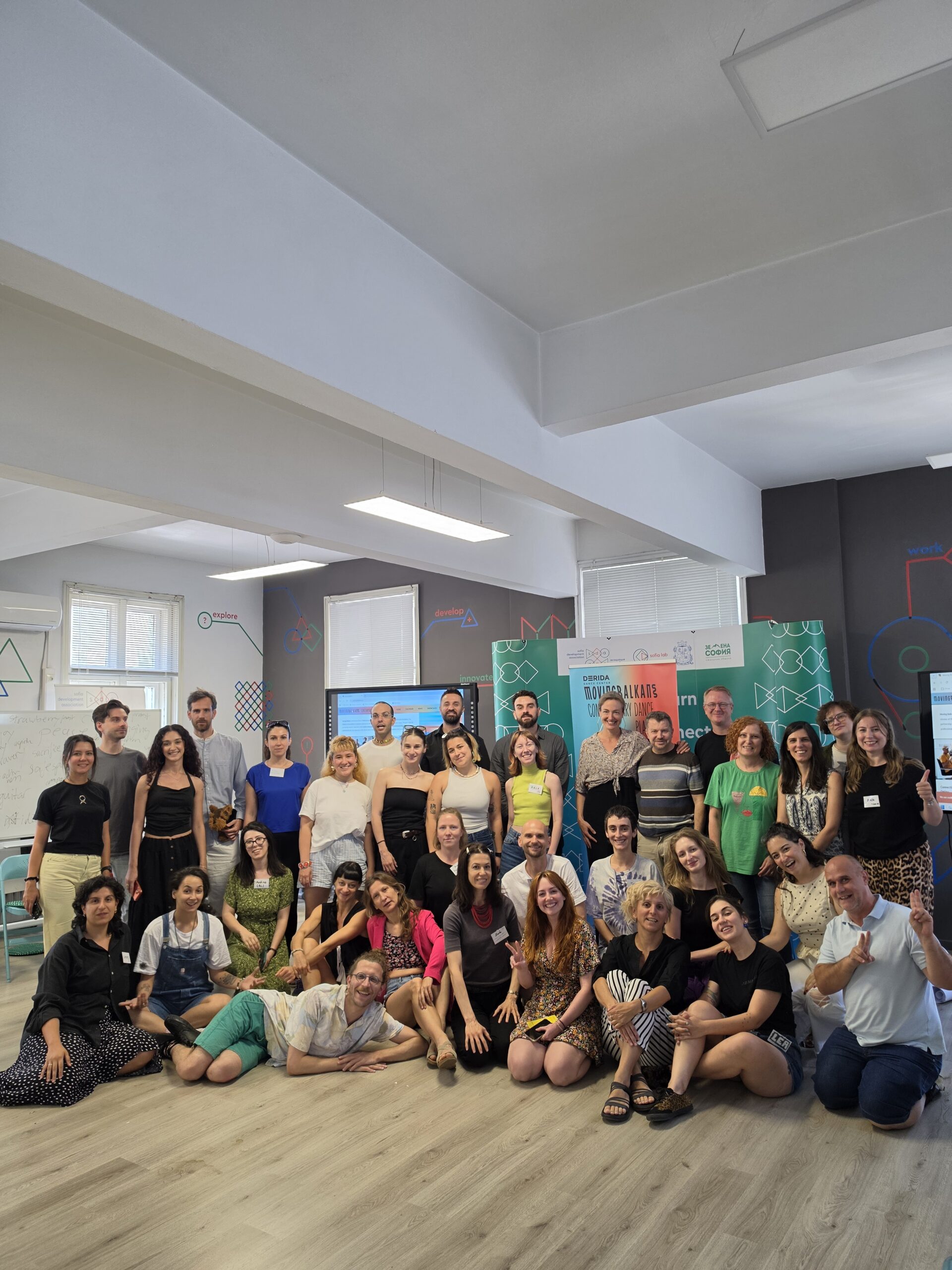
From 24 to 29 June 2026, Sofia hosted an intensive international workshop for producers and cultural managers, organized by Derida Dance Center within the framework of the Moving Balkans platform.
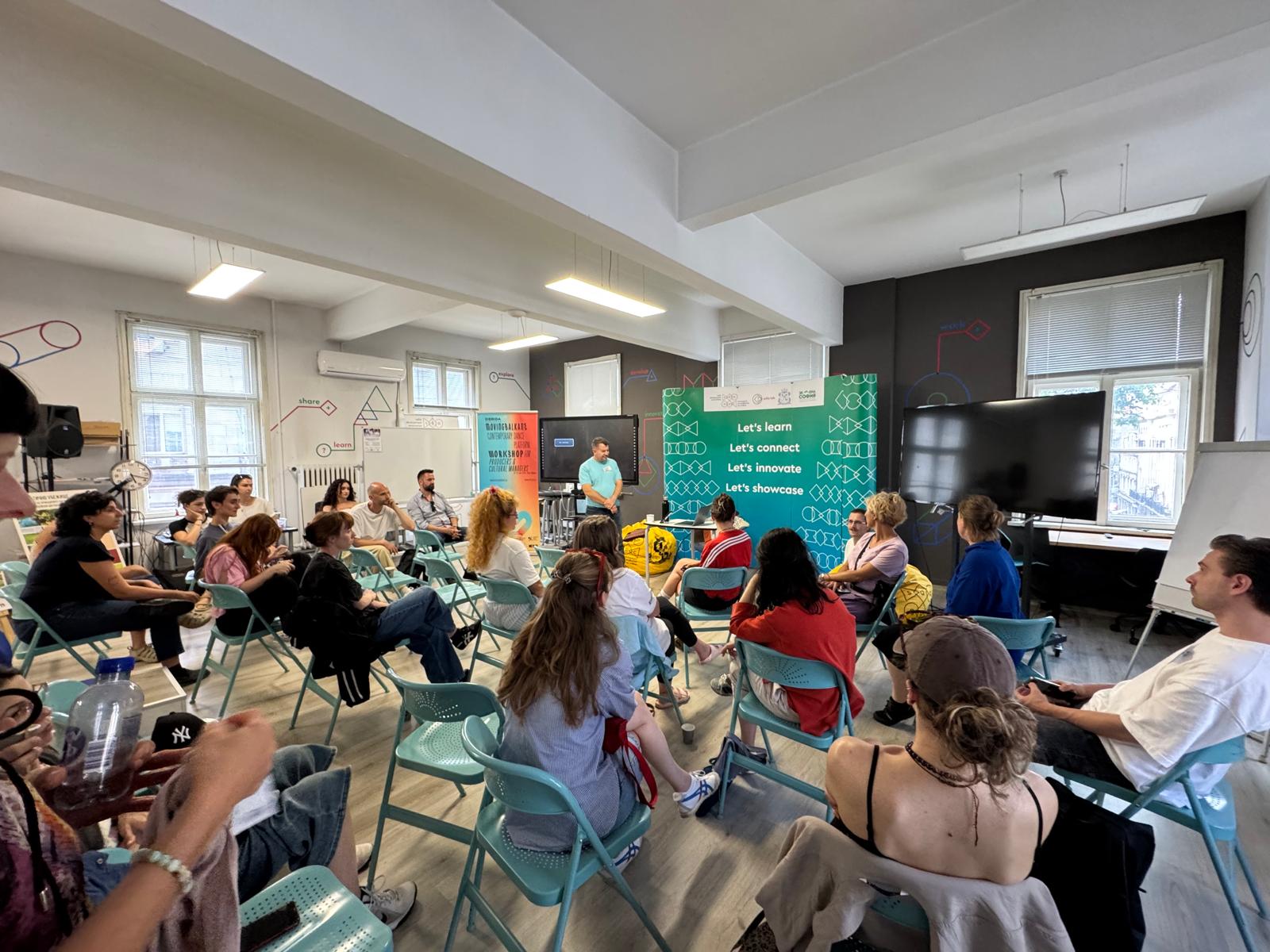
Over five days, nearly 40 professionals in the field of contemporary dance from 11 Balkan countries gathered in Sofia to work together on topics related to cultural entrepreneurship, international cooperation, funding, community building, and the sustainable development of dance organizations.
The participants came from Albania, Bulgaria, Croatia, Greece, Kosovo, Montenegro, North Macedonia, Romania, Serbia, Slovenia, and Turkey. Among them were producers, project managers, curators, agents, entrepreneurs, and other cultural professionals actively working for the development of contemporary dance in the region.
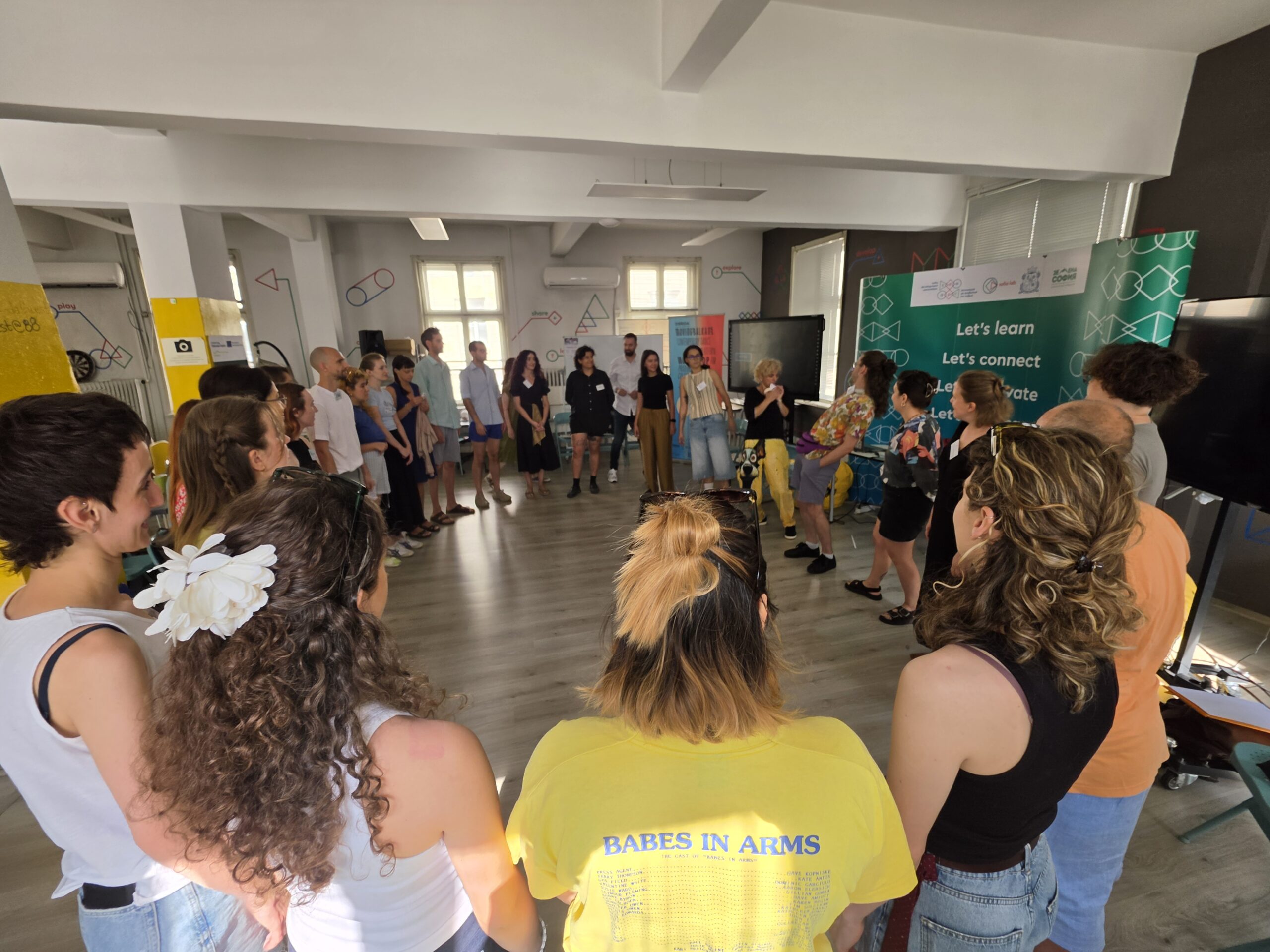
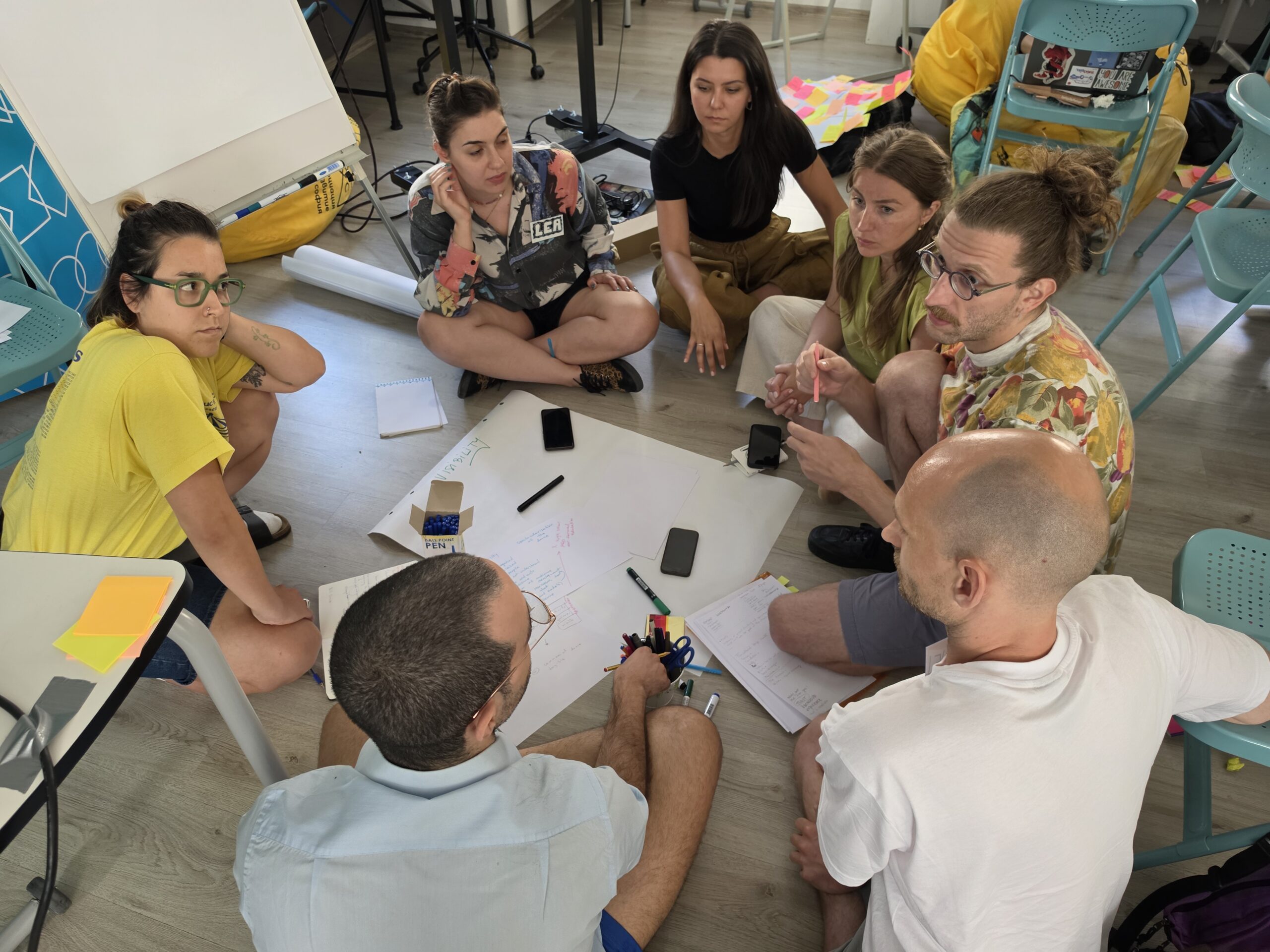
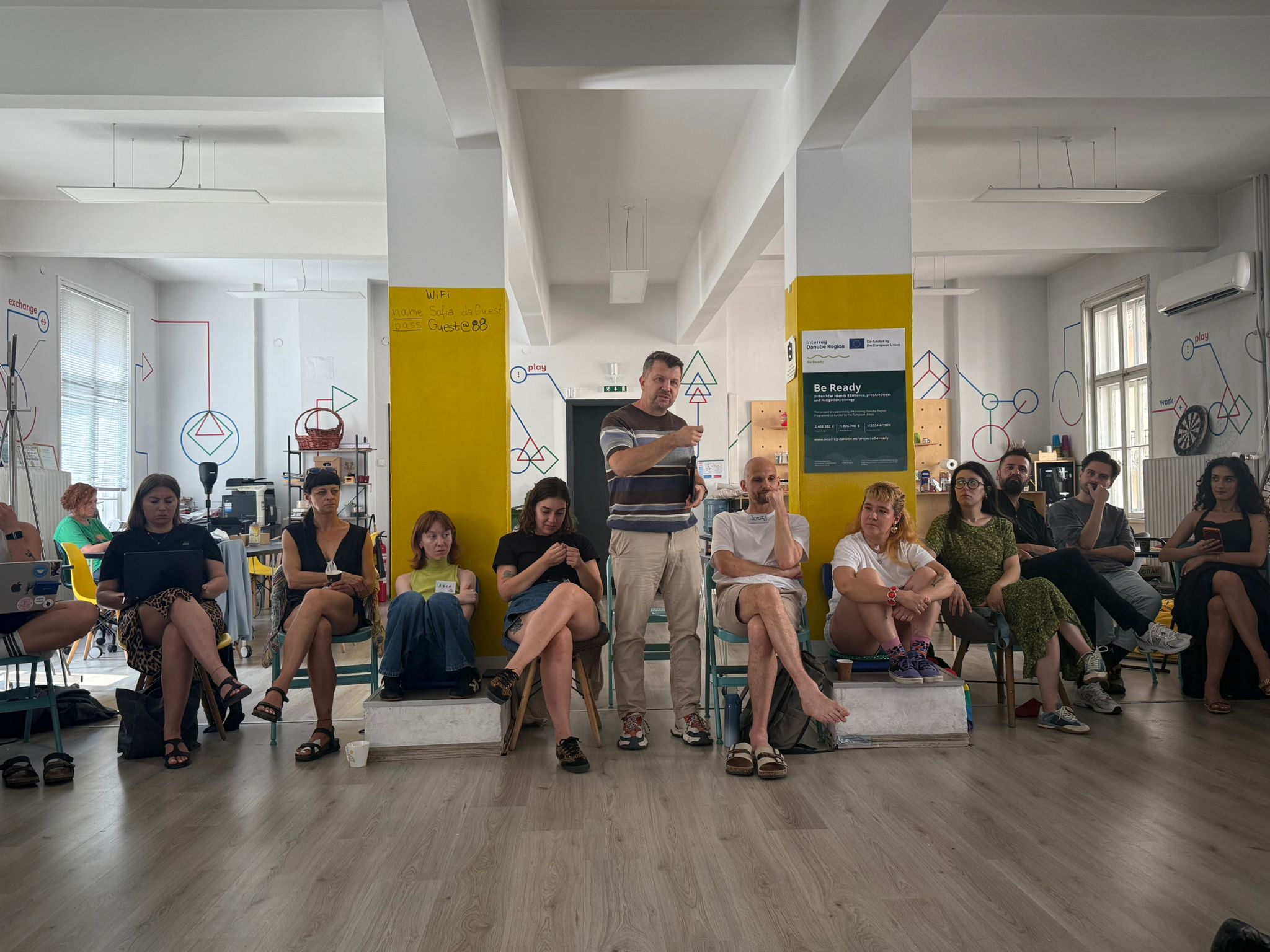
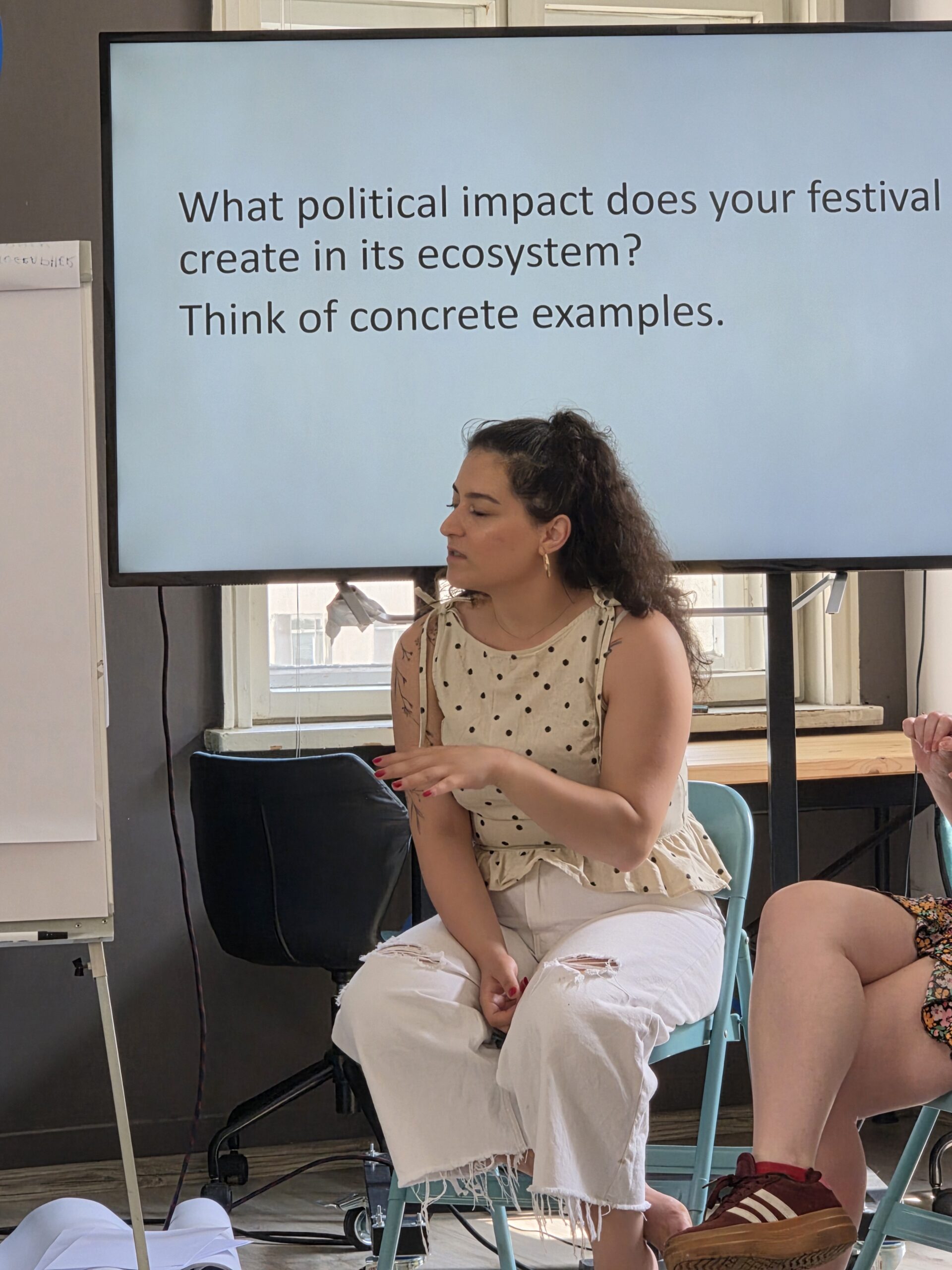
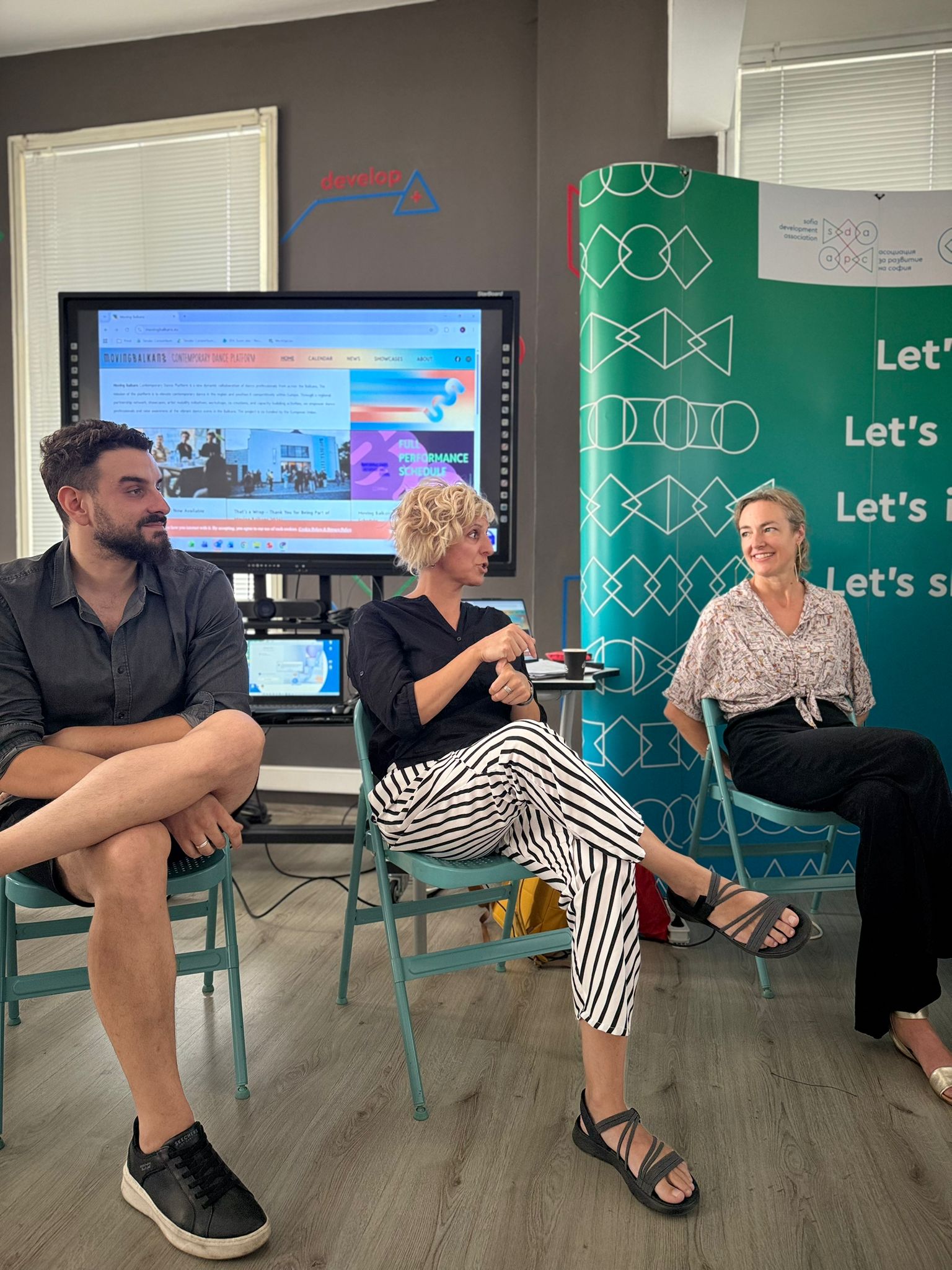
The program combined lectures, practical exercises, work on real case studies, and group discussions. It created a space not only for professional development, but also for encounters between people who often work in similar conditions, face similar challenges, and share a common belief in the power of art to connect.
One of the leading ideas throughout the week was that cultural management is not simply the administrative work behind the artistic process. It is the way in which the conditions are created for art to become possible, to be created, shared, experienced, and developed sustainably.
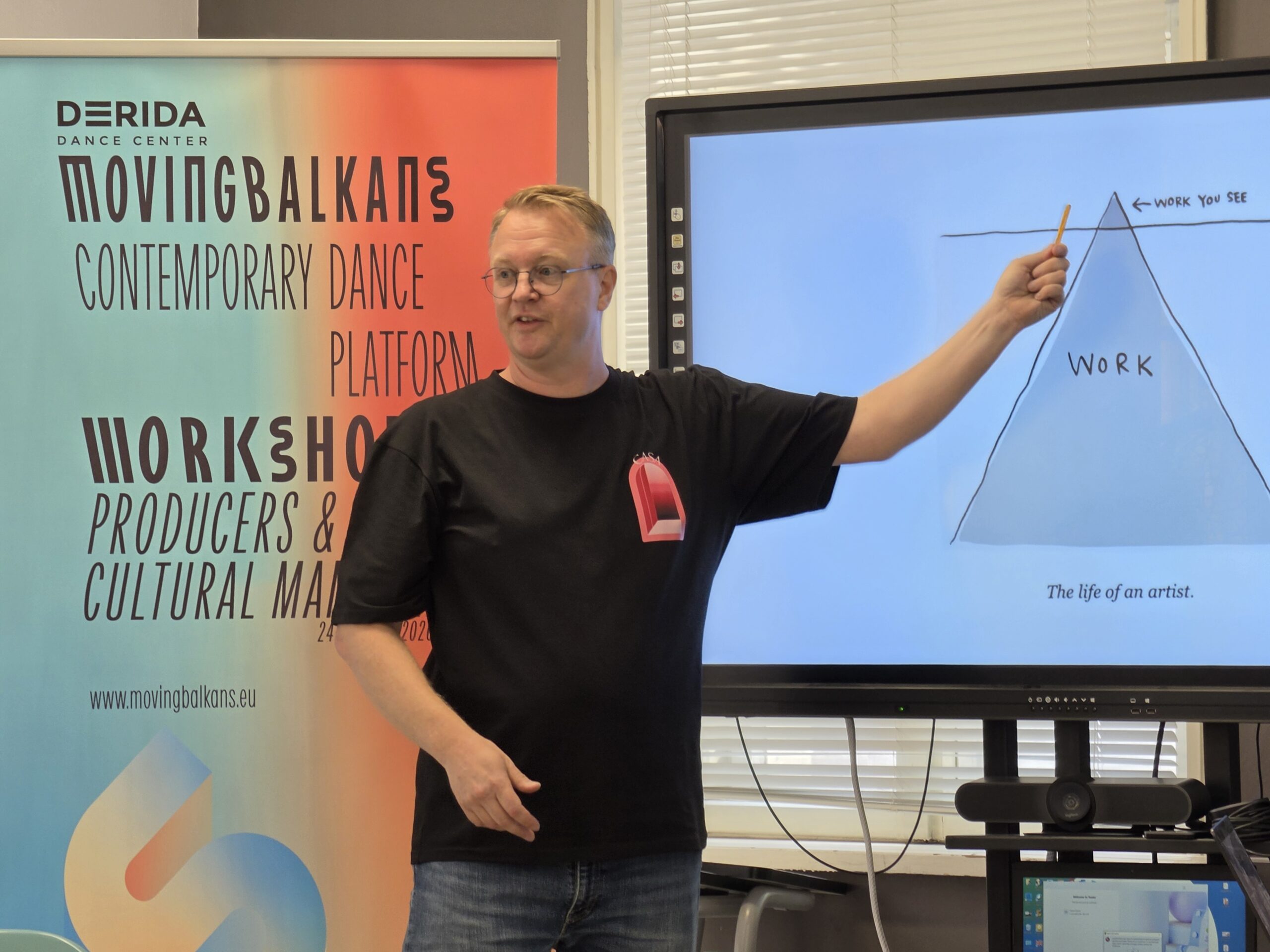
The session on cultural entrepreneurship, led by Atanas Maev, co-manager and co-founder of Moving Balkans and Derida Dance Center, focused on the difference between realizing a single project and building a sustainable cultural structure. Participants worked on the question of what remains after the end of a project – knowledge, partnerships, trust, audiences, infrastructure, reputation, and new opportunities.
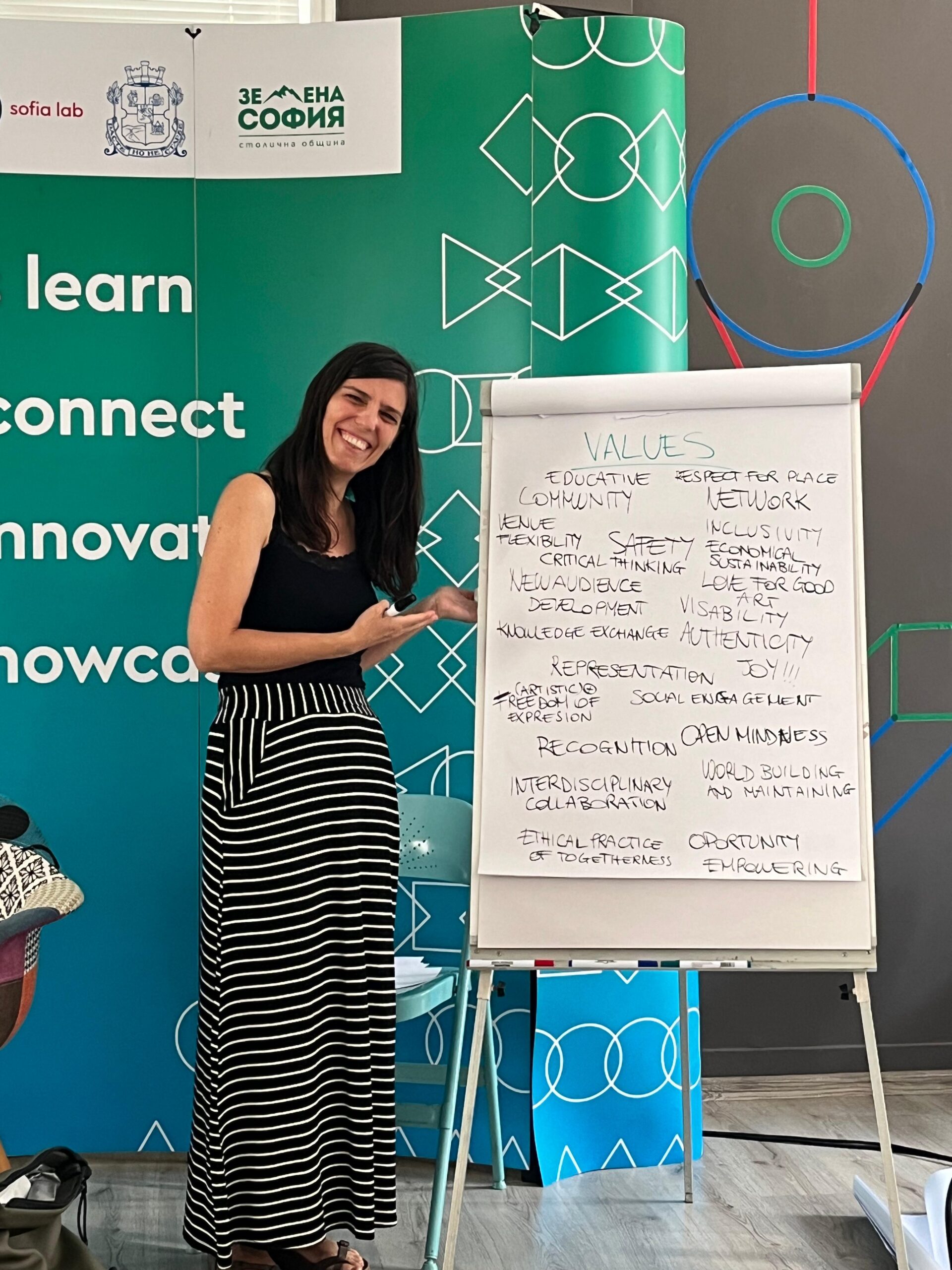
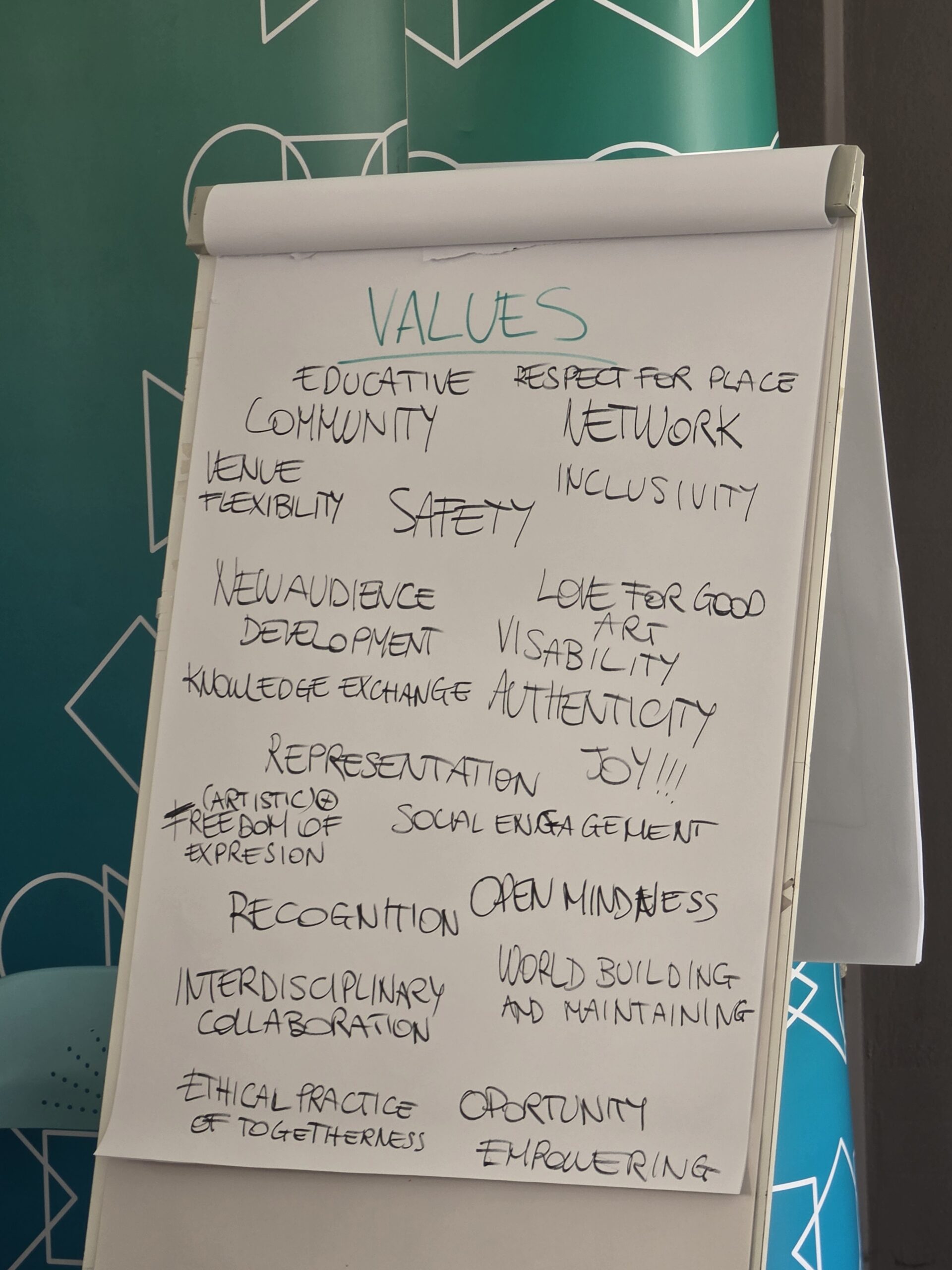
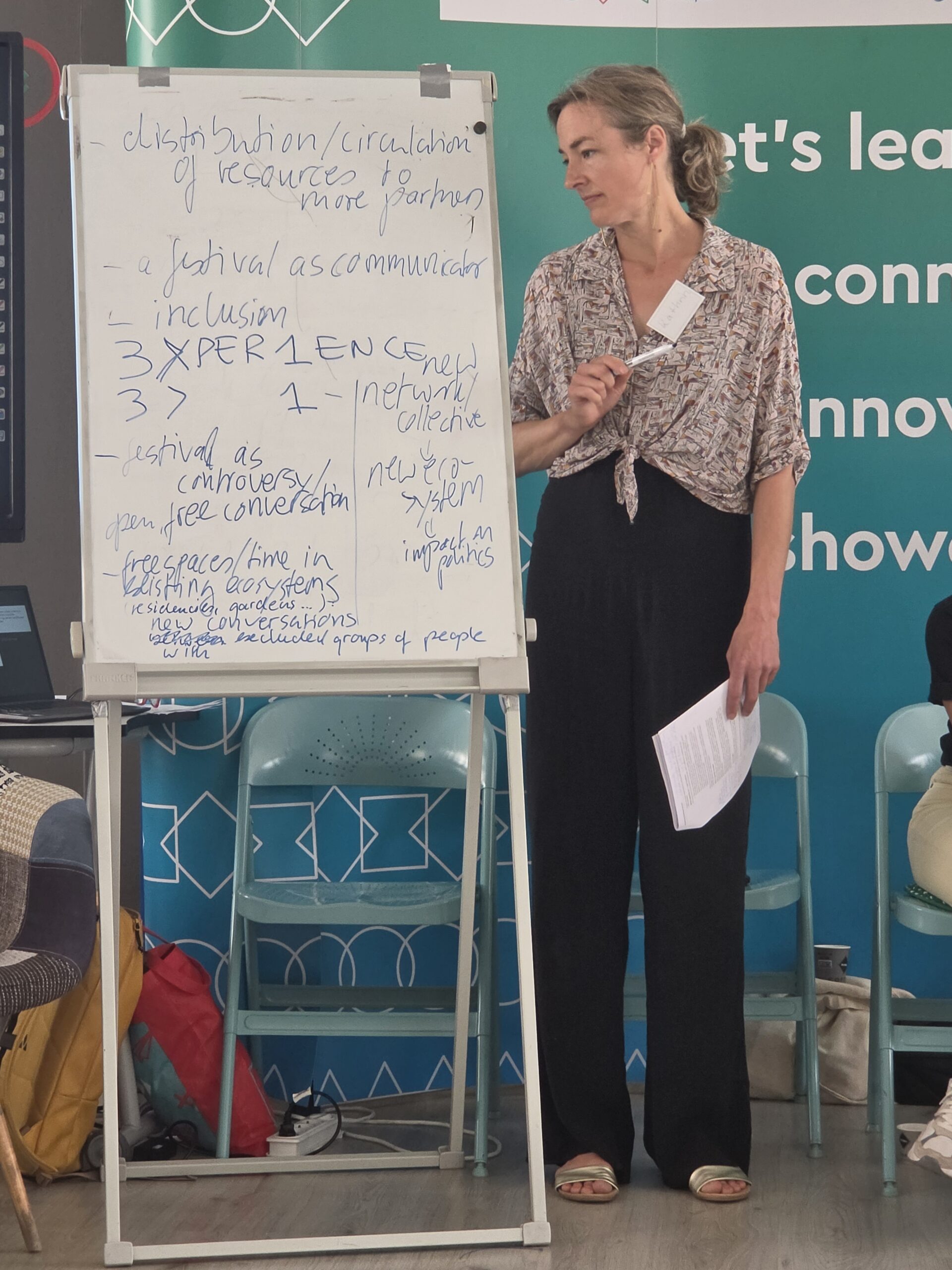
Kathrin Deventer, Secretary General of the European Festivals Association, focused on community building in the arts. The topic was approached not as an abstract communication goal, but as a living connection between people, spaces, and the experiences that cultural organizations create. Participants discussed how values can be transformed into actions, and how care, trust, and a sense of belonging can become part of cultural work.
In the sessions led by Giulia Poltronieri, Director of the Catalan festival Dansa Metropolitana, participants worked on the foundations of their organizations, festivals, platforms, and artistic initiatives. Through practical tasks, they explored questions such as: what need does a project respond to, what would disappear if it ceased to exist, and what should never be compromised. A particularly important part of this module was prioritization – the ability to distinguish the essential from the desirable, especially in conditions of limited resources.
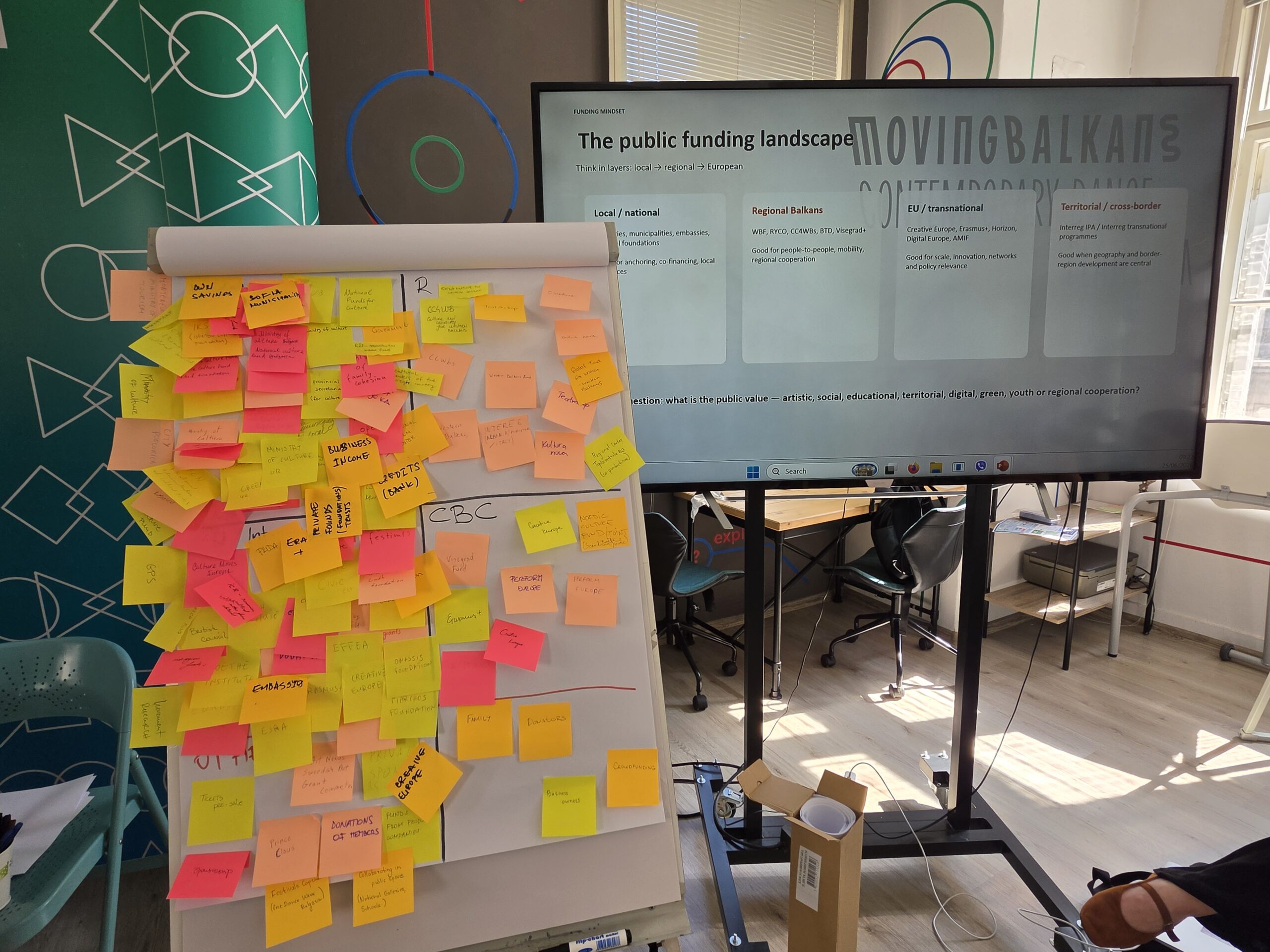
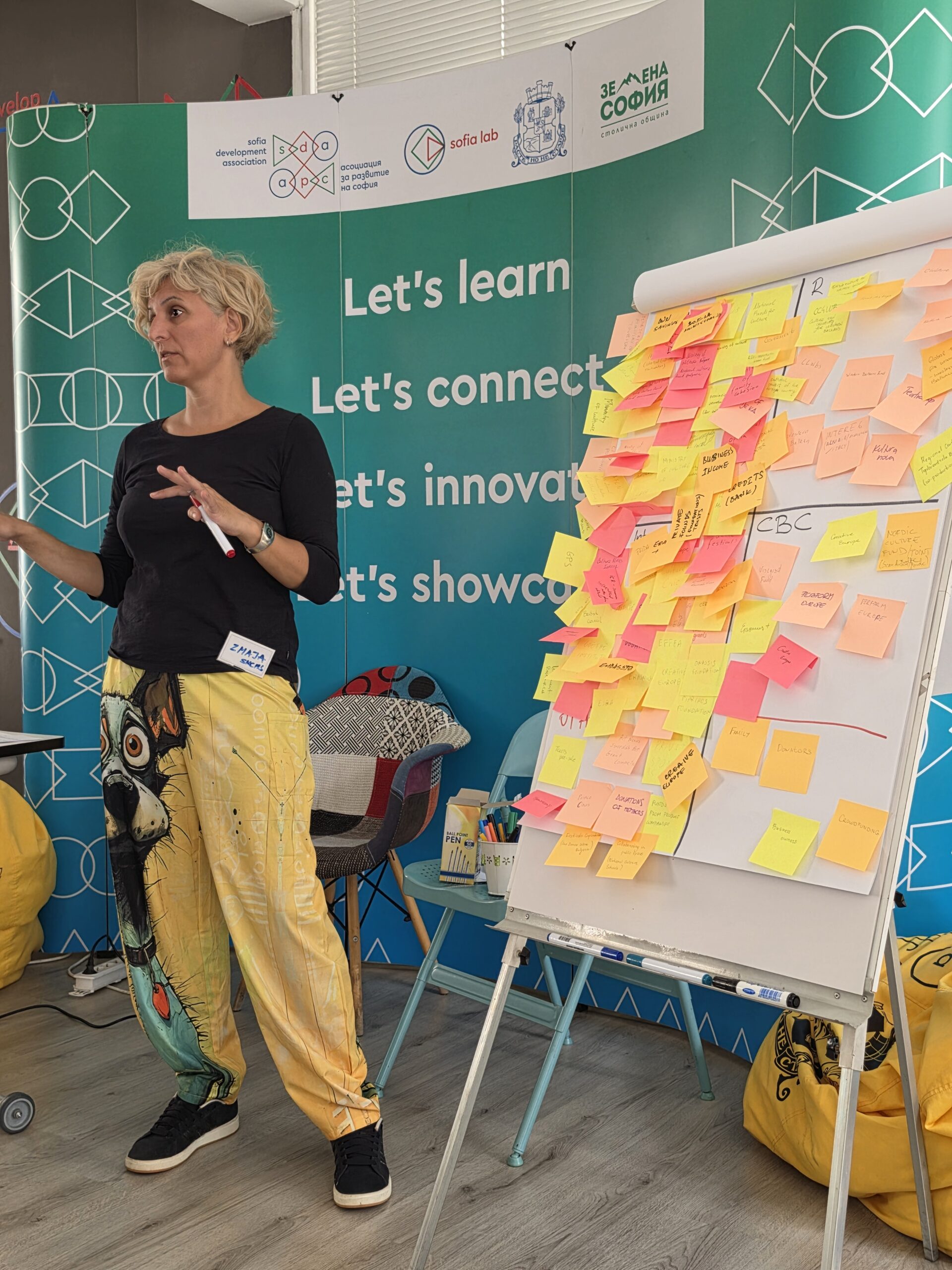
Marija Popović (Zmaja) from Serbia, the other co-manager and co-founder of Moving Balkans, led sessions dedicated to public funding and budget planning. Participants looked at funding not simply as a search for the right program, but as a process of clearly formulating the public value of a project. The budget was considered an important part of the artistic and organizational logic, not as a table at the end of a project proposal, but as a realistic plan for implementing the idea.
Magnus Nordberg from Nordberg Movement, Sweden, shared practical experience and strategies for building international networks, touring, and long-term professional partnerships. His contribution emphasized patience, consistency, and care in professional relationships. The network was considered not simply as a list of contacts, but as a living environment built through trust, continuity, and reciprocity.
Throughout the week, partnerships were understood as something much more than a tool for accessing funding. A strong partnership is based on shared values, complementary knowledge, real contribution, and clear communication. Participants were encouraged to think not only about what they can receive from a partnership, but also about what they themselves bring to their partners – knowledge of the local context, artistic expertise, audiences, infrastructure, reliability, or a new perspective.
The workshop did not offer a universal recipe for success. Instead, it created a space for sharing experience, questions, and tools that each participant can apply in relation to their own context. The Balkan region is diverse, and it is precisely this diversity that makes encounters between professionals such a valuable resource.
For Derida Dance Center, this week was another important step in building a stronger and more connected professional environment for contemporary dance in the Balkans. We believe that progress in cultural processes is not created through funding alone. It is built through values transformed into decisions; ideas transformed into realistic plans; budgets transformed into responsibility; and professional contacts transformed into relationships and trust.
Moving Balkans works for greater visibility, mobility, and sustainability of contemporary dance in the region. By investing in producers and cultural managers – the people who often remain less visible behind the artistic process – the platform supports not only individual professionals, but also the future infrastructure for cooperation in contemporary dance across the Balkans.
The workshop took place at SofiaLab, in partnership with the Sofia Development Association.
The Moving Balkans project is co-funded by the Creative Europe Programme of the European Union and the National Culture Fund of Bulgaria.

Funded by the European Union. Views and opinions expressed are however those of the author(s) only and do not necessarily reflect those of the European Union or the European Education and Culture Executive Agency (EACEA). Neither the European Union nor EACEA can be held responsible for them.